



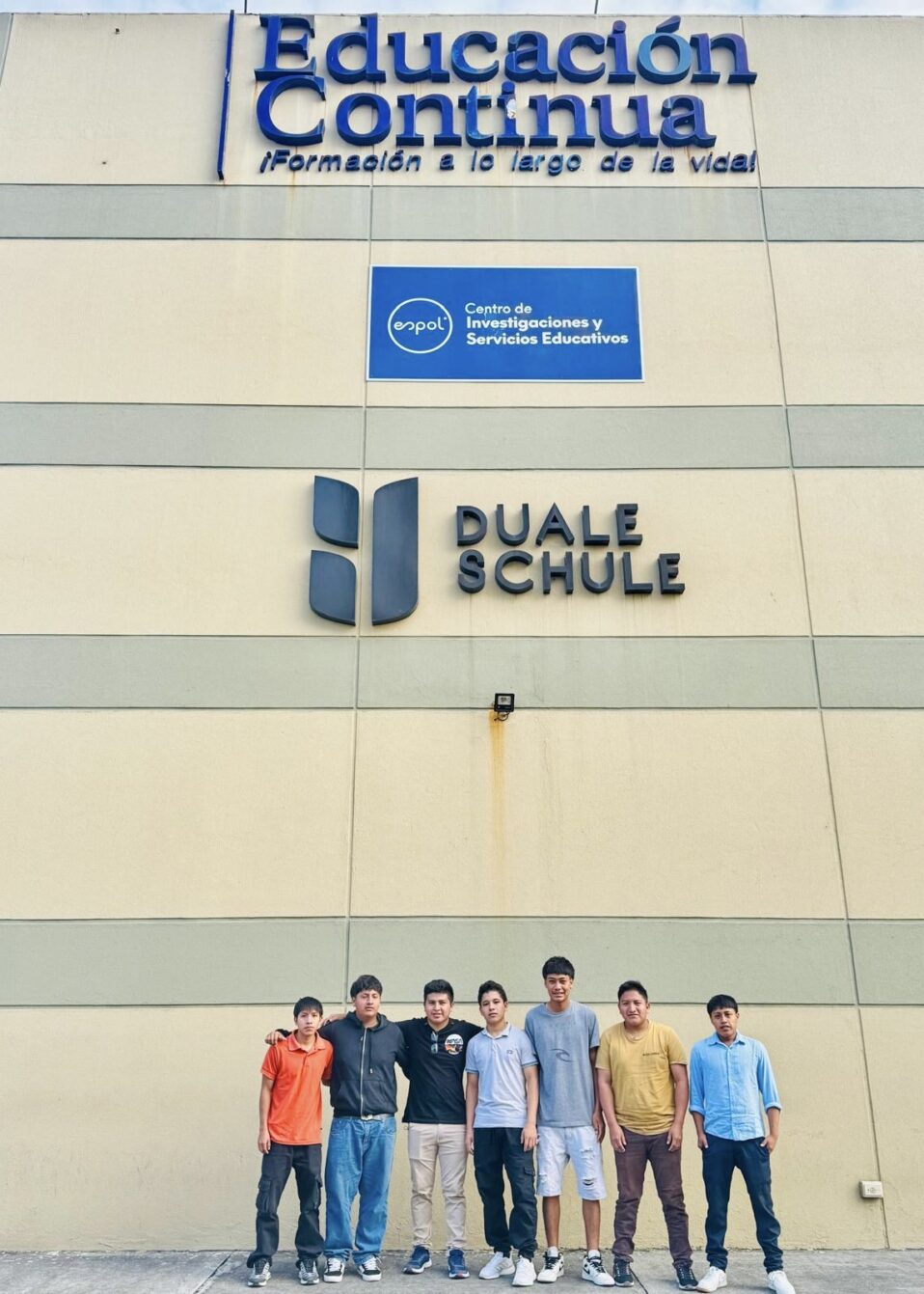
Since launching our work-study program in partnership with a local shipping company in 2023, we have been seeking ways to expand vocational opportunities for our graduates. After years of conversation and collaboration, our partner invited us to launch a new program: a two-month training course followed by a two-year, apprentice-style position with the company, offering a salary and full benefits.
In February, nine young men began their first day of work after completing the initial training. In their roles, they are repairing and maintaining refrigerated shipping containers while also supporting the logistical management of these operations.
We are deeply encouraged by the potential of this program. All of our efforts at Mission Santa Maria are aimed at helping children and youth escape generational poverty, and this initiative offers a direct path for these young men—and their families—to do exactly that.
One of these young men is Jimmy.
-
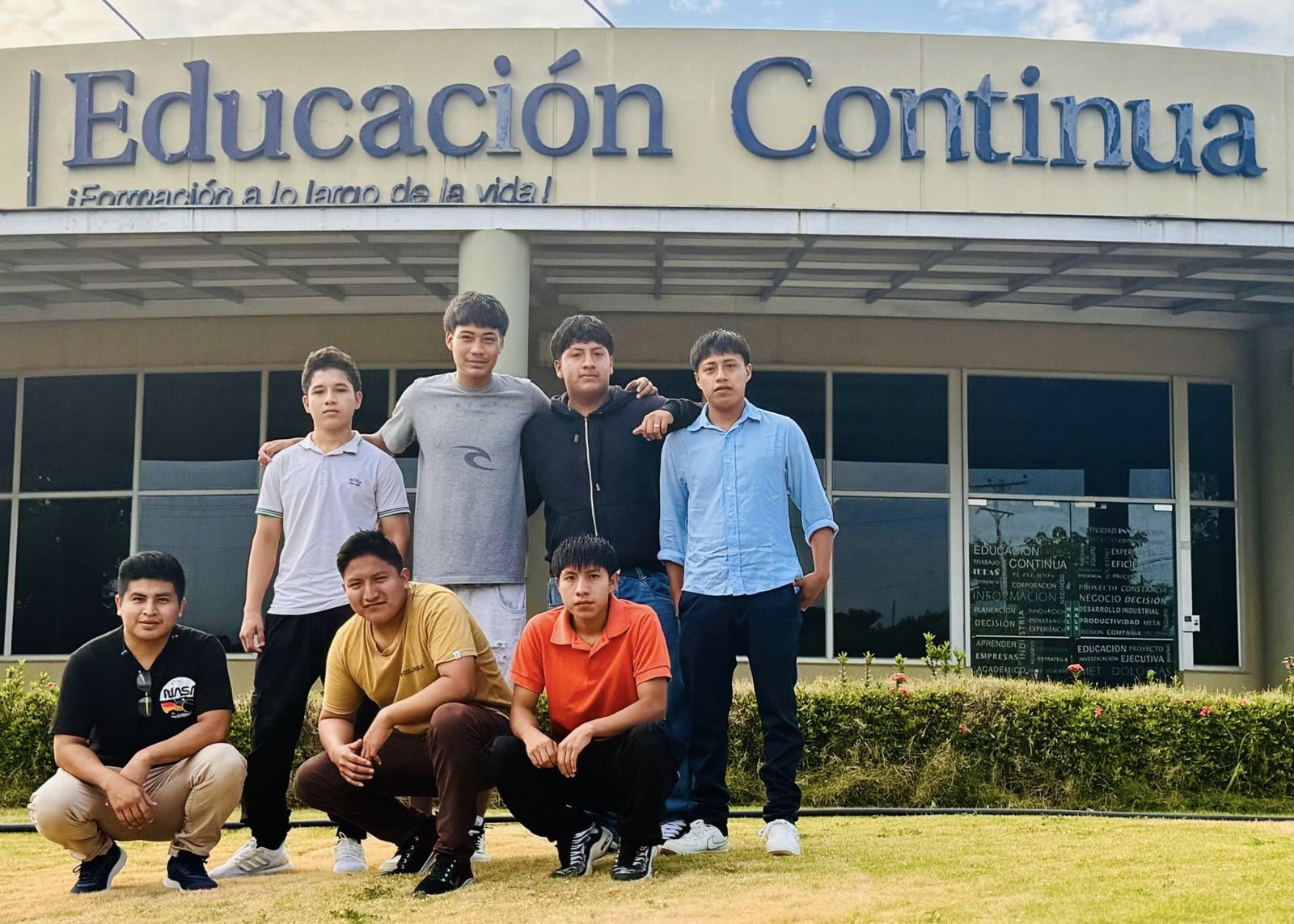
- Jimmy, top left, and some of the other work-study participants, stand outside of the training institute on their first day of courses.
-
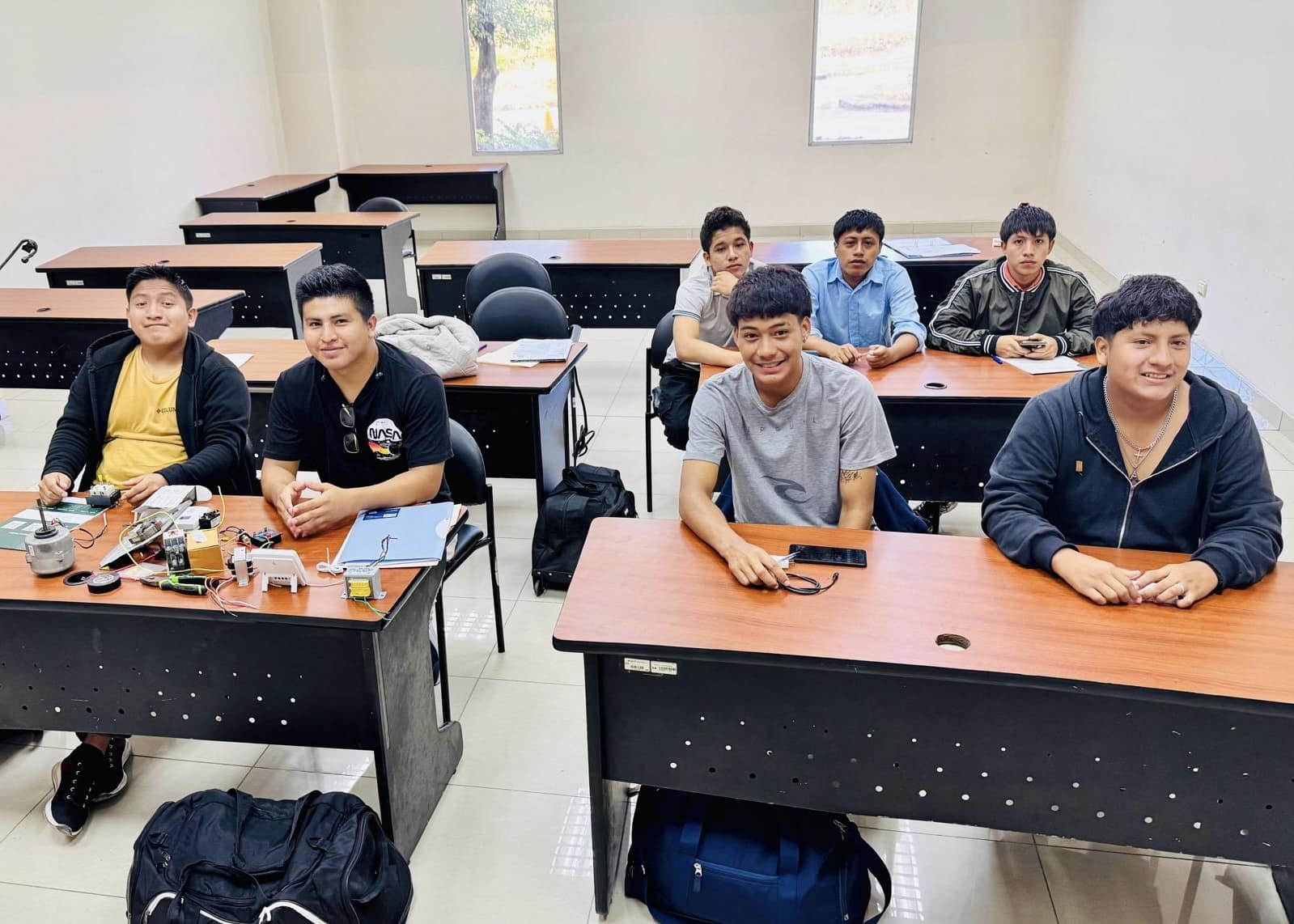
- The program participants complete a 2 month technical training in HVAC repair and maintenance before starting full-time apprentice style work.
We met Jimmy’s mother during our COVID food drive. A single mother of four, she came every day with her 17-year-old daughter to help pack food for the 2,000+ families we were feeding. Her work ethic stood out immediately, and over time we began visiting her family more regularly.
They qualified for scholarships at the Mission School due to their financial situation, and it was through these visits that we began our monthly food program for scholarship families. We saw firsthand how little food they had—both Jimmy and his siblings were noticeably underweight, and the family shared that there simply was not enough food to last the month.
Jimmy and his family became homeless soon after COVID. They had been staying in a small cinderblock house, and the family who owned it took it back for another family member’s use. The town gave them a small plot of land on the outskirts of town, where they built a bamboo home.
-
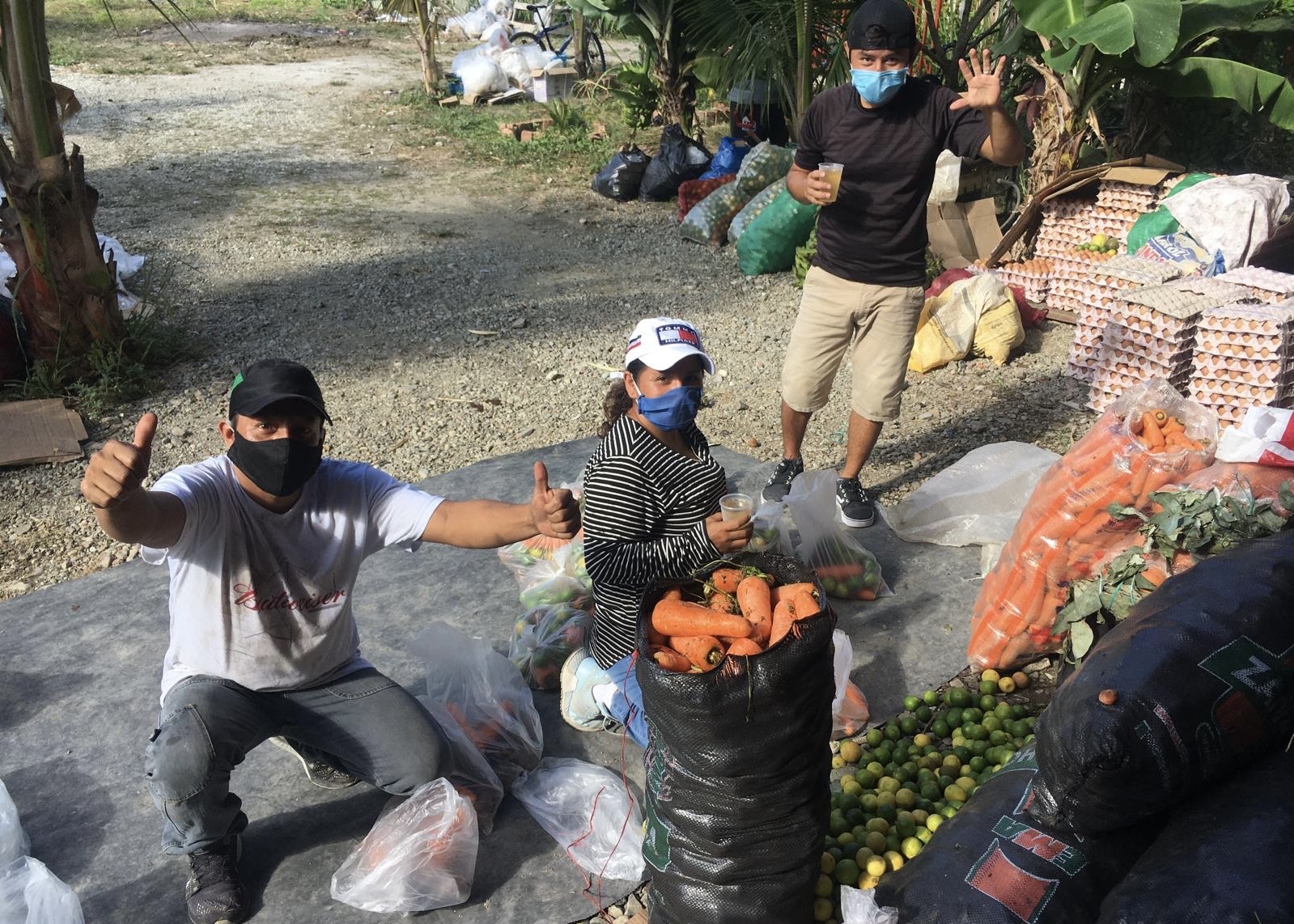
- Jimmy’s mom (middle) helped us every day throughout our COVID food-drive. It was there that we first witnessed her incredible work ethic.
-
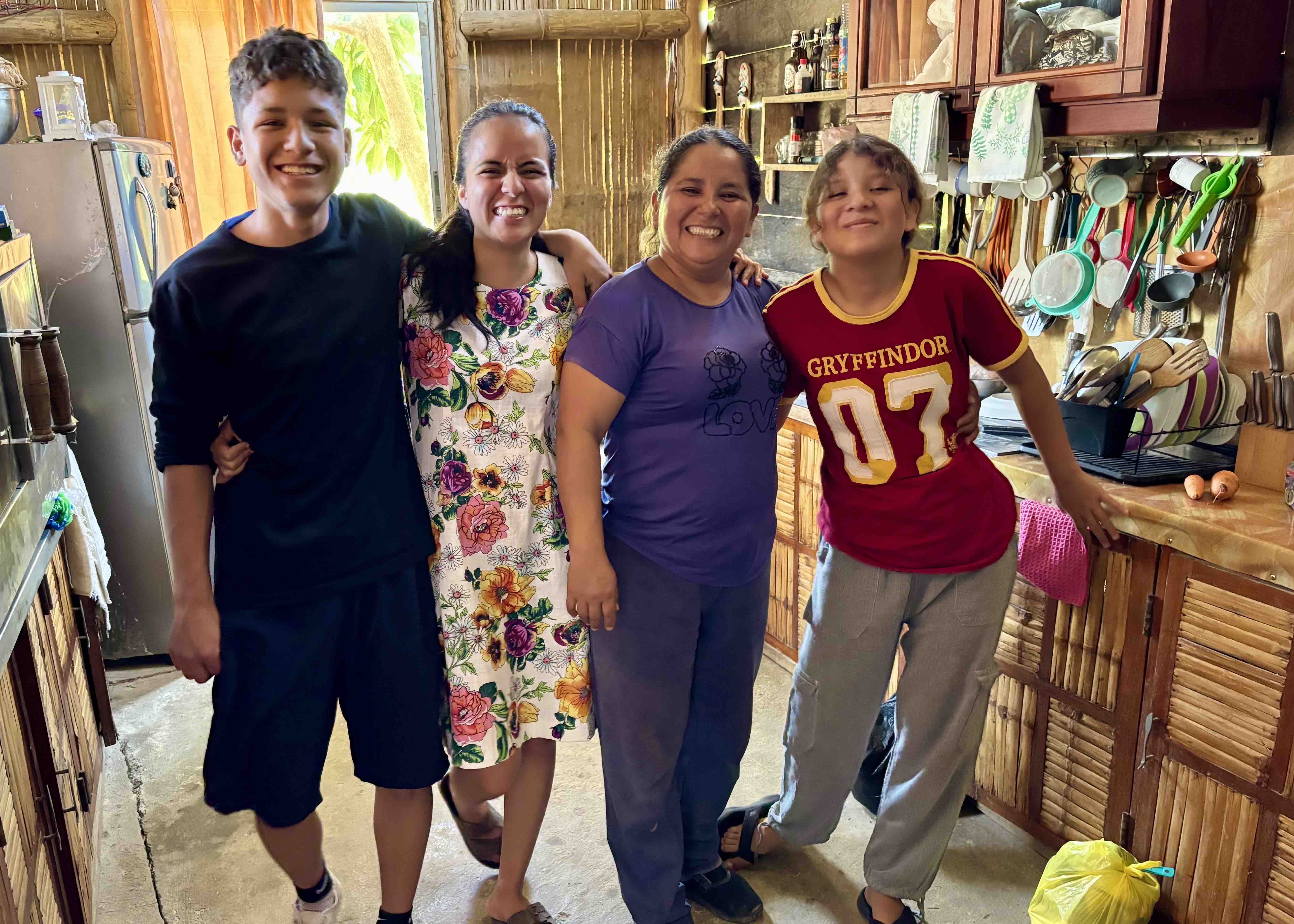
- Jimmy’s family in their one-room bamboo home, a marked improvement from three years ago.
Jimmy’s mother works clearing land and caring for property—backbreaking labor in the Ecuadorian heat—for very little pay, typically between $200 and $300 per month. She also cleans houses when she can find work. Even in the best months, this is not enough to support her family. Because of this, Jimmy and his siblings have worked from a very young age, always helping their mom clear land or taking on whatever jobs they could find to help.
When I was preparing the boys to enter this new program, I told them they should expect hard work and long days. Jimmy looked at me and said, “It won’t be harder than anything I have done already.”
-
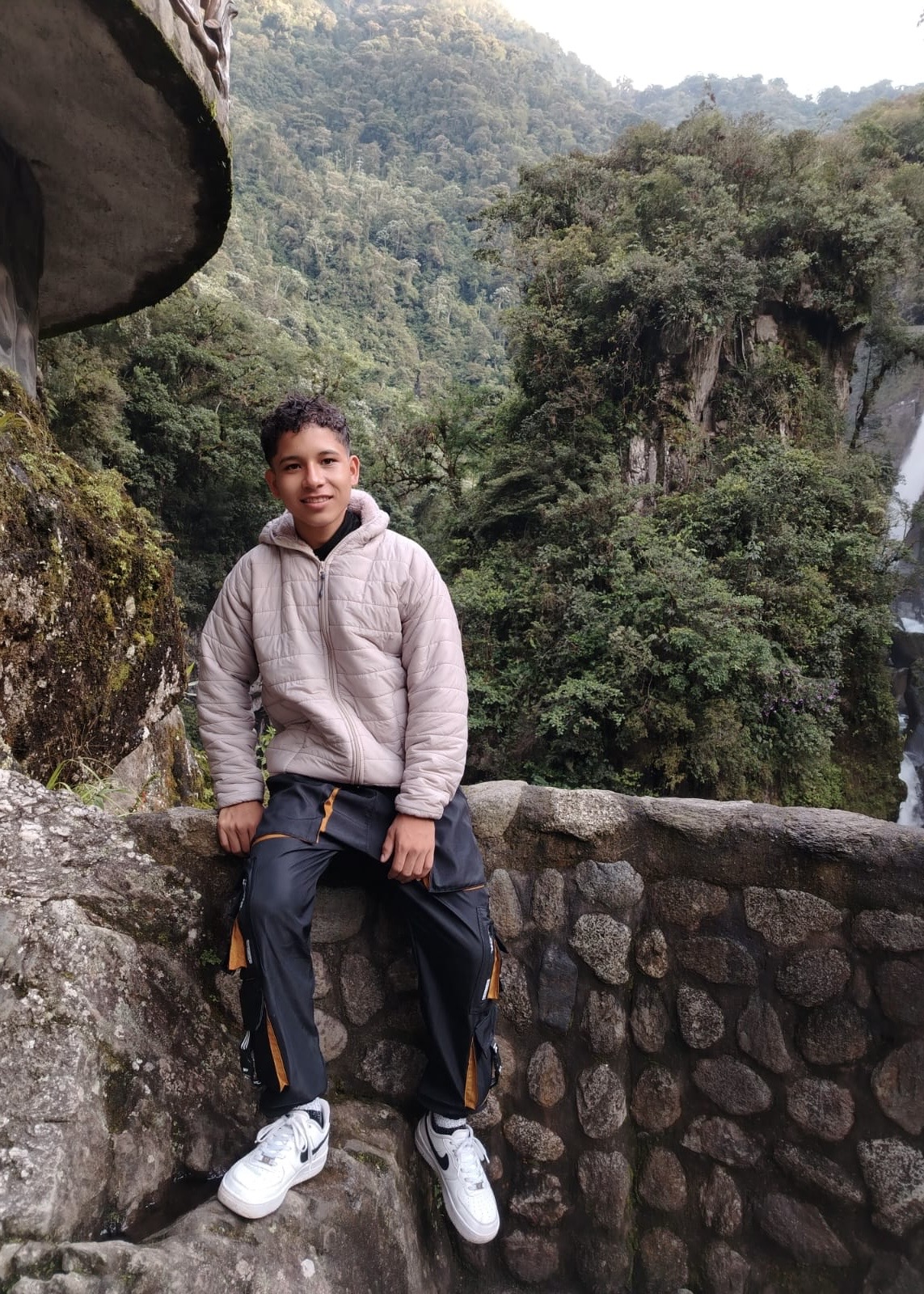
- Jimmy, just before high school graduation.
-
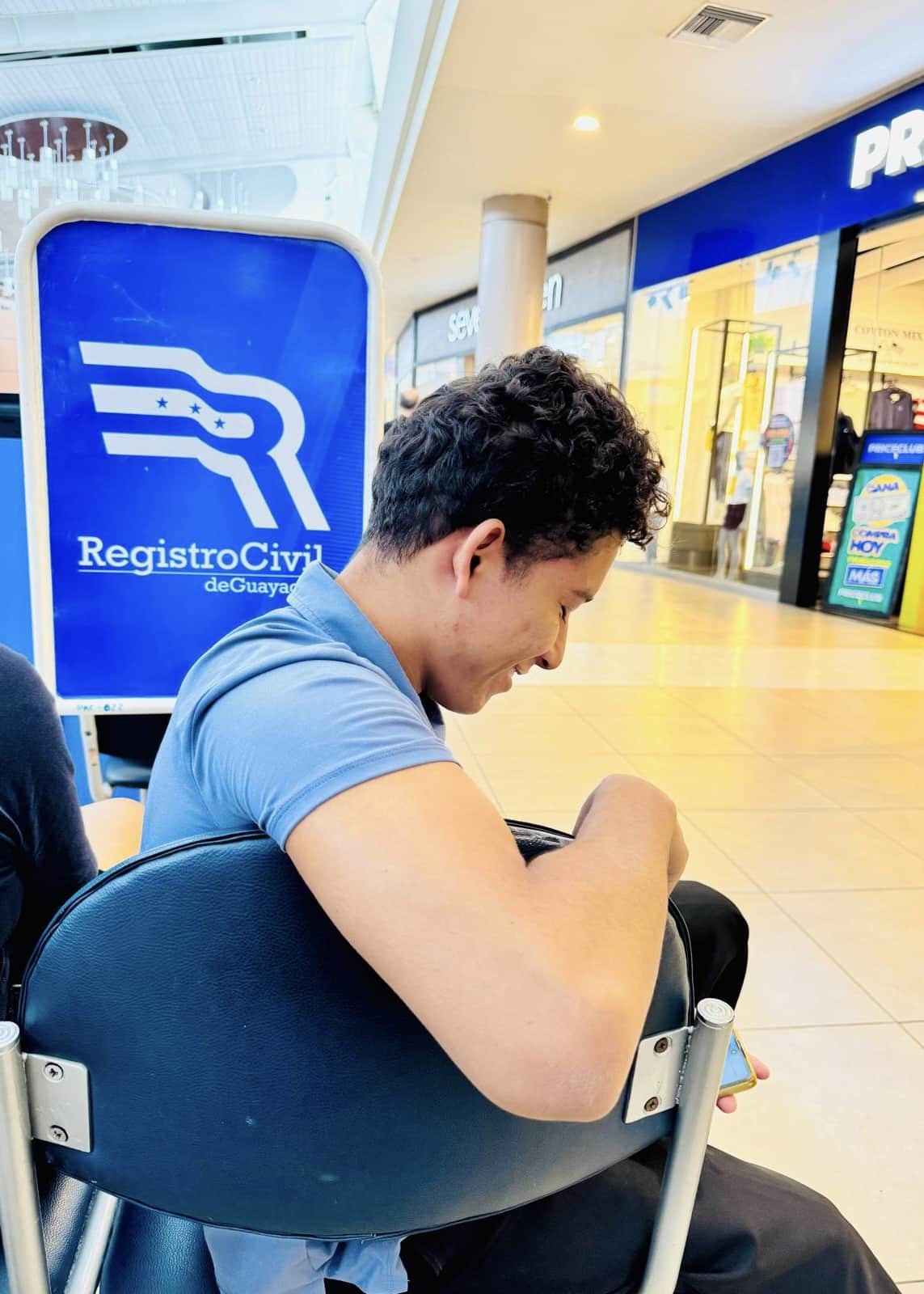
- Our Bridge Program Coordinator accompanied Jimmy to obtain his national ID card, a key step in enrolling in the new work-study program.
Since first coming to Ecuador, I have continually been struck by the work ethic and resilience of the families here. Even in the midst of great hardship, they are generous, kind, and determined. Jimmy’s mother exemplifies this spirit and has clearly passed it on to her children.
We are grateful that young people like Jimmy now have this opportunity to apply that work ethic in a setting where it is recognized and fairly compensated and grateful for all of you for making this opportunity possible!
Recent Comments